Enhancing Paths for All and Meeting Legal Standards
Improving access to public spaces is vital for communities. Quality pathways ensure everyone can move around safely. Broken or uneven sidewalks present a challenge, especially for those with disabilities. Fixing these issues not only enhances usability but also ensures compliance with legal requirements. This article will explore the benefits of maintaining proper walkways and how it aids in accessibility.
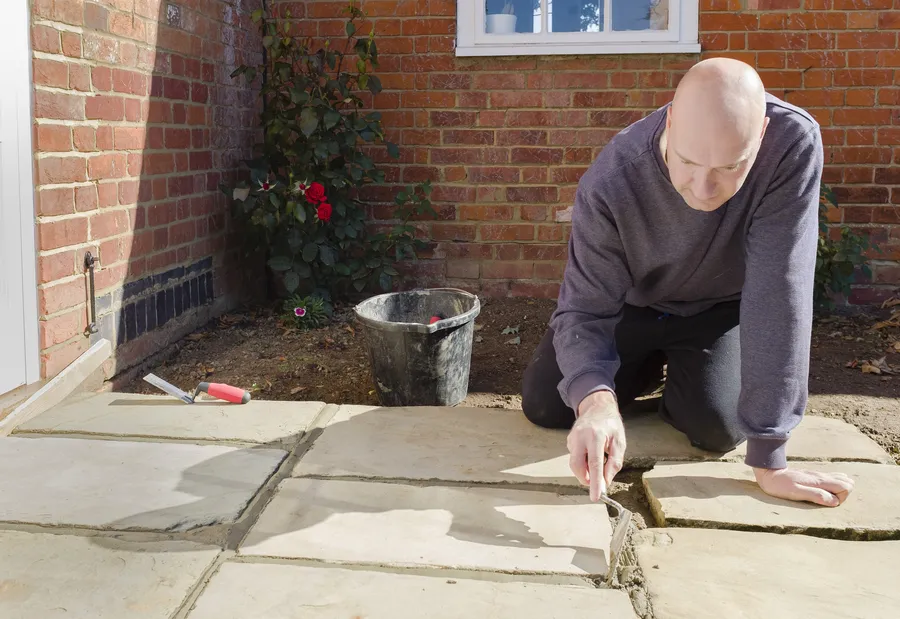
The Importance of Well-Maintained Pathways
Pathways serve as essential links within our communities. They provide safe passage for pedestrians, cyclists, and those using mobility aids. When well-maintained, they prevent accidents and injuries, reducing liability risks. Addressing these concerns through sidewalk repair ensures smoother, safer journeys for all.
Compliance With Legal Standards
Meeting legal standards is crucial for property owners. Regulations like the Americans with Disabilities Act (ADA) demand accessible routes for people with disabilities. Non-compliance can lead to hefty fines and legal challenges. Through effective sidewalk repair, you align your property with these standards, avoiding costly repercussions.
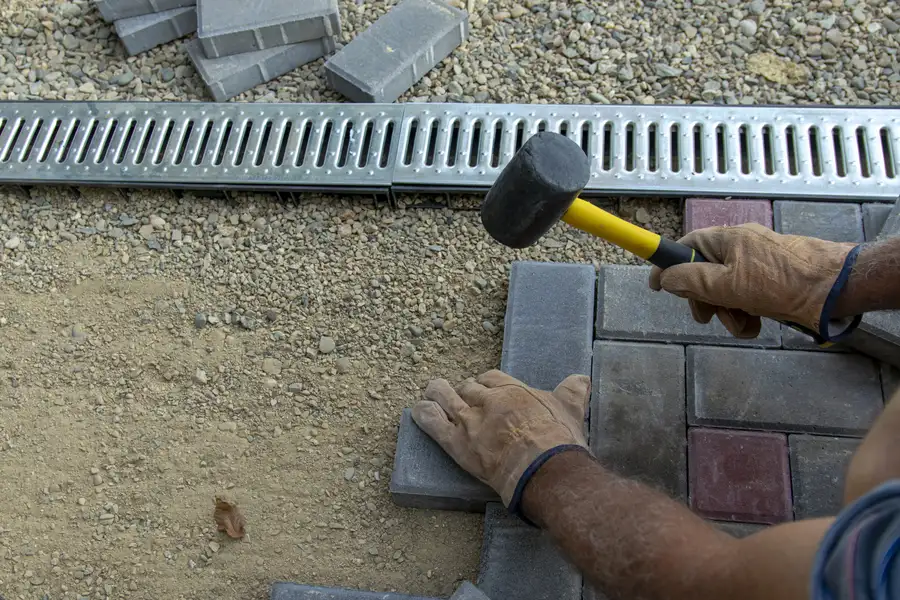
The Benefits of Accessibility Improvements
Enhancing accessibility offers multiple benefits. It allows everyone, including elderly individuals and those with mobility impairments, to navigate spaces independently. Additionally, accessible environments promote inclusivity, encouraging more community engagement and participation. Ensuring ease of access reflects positively on businesses and local governments.
Identifying Common Sidewalk Problems
Diverse issues affect pathways, such as cracks, uneven surfaces, or tree root damage. These problems pose hazards and obstacles that hinder movement. Identifying these common faults helps prioritize repairs effectively. Property owners must regularly inspect their sidewalks to catch problems early and minimize potential risks.
- Cracks and gaps that may cause trips
- Uneven pavement resulting from ground shifting
- Tree roots lifting sections of the pathway
- Poor drainage causing water pooling and slipperiness
Step-by-Step Guide to Effective Solutions
Addressing walkway issues involves several key steps. Firstly, assess the extent of damage. Secondly, choose appropriate materials for repair work to ensure durability. Lastly, collaborate with skilled professionals who understand industry standards. Following this structured approach guarantees lasting results.
- Inspect and document existing conditions
- Select quality materials suitable for repairs
- Hire experienced contractors knowledgeable in ADA standards
- Perform regular maintenance checks post-repair
Best Practices for Maintaining Safe Pathways
Maintaining safe pathways requires ongoing vigilance. Implement routine inspections to identify emerging issues before they become serious problems. Prioritize quick repairs to minor damages to prevent worsening conditions. Finally, engage community feedback to address specific needs effectively.
- Conduct annual inspection walks
- Encourage residents to report defects promptly
- Engage qualified technicians for thorough evaluations
- Plan budget allocations for timely interventions
Navigating Cost Considerations With Confidence
Investing in pathway improvements brings long-term savings by minimizing liabilities and enhancing property value. While initial costs might seem high, consider the reduced risk of accidents leading to potential lawsuits. Moreover, improved pedestrian traffic contributes positively to local economies.
Your Partner in Creating Accessible Spaces
I am dedicated to helping you create accessible environments that comply with regulations. Located in Abbotsford, BC, I offer expert guidance tailored to your needs. Reach out at (204) 380-9082 for assistance in transforming your space into an inclusive area worth visiting. Trust R&G Contracting for reliable solutions.